Teaching structure through 4 years of practice
We started in 2021 with a simple observation: most people trying to write songs struggle not with melody or lyrics, but with organizing their ideas into coherent structures. That insight became the foundation for everything we do.

Why we focus exclusively on structural elements
Real analysis, not theory
Every session breaks down actual songs—commercial tracks people recognize. We examine verse placement, chorus timing, bridge function, intro length. Students see the specific choices professional writers make and understand why those choices work in context. The discussion stays grounded in observable patterns rather than abstract concepts.
Applicable immediately
The techniques apply to whatever you're working on right now. Whether you write folk ballads or electronic pop, structural principles remain consistent. Session materials include timing templates, transition checklists, and section mapping tools you can use the same day. Most participants report restructuring incomplete songs within the first week.
Built from patterns
We've cataloged over 300 song structures across multiple genres and decades. That database informs every lesson, showing students which patterns repeat consistently and which variations serve specific purposes. Understanding these patterns helps you make informed structural decisions rather than guessing at organization.
Direct instructor feedback
Live sessions mean you can ask about your specific structural problems—whether your bridge arrives too late, how to extend a section without losing momentum, where to place a key change. Valdis reviews submitted structures during broadcasts and explains reasoning behind suggested modifications in practical terms.
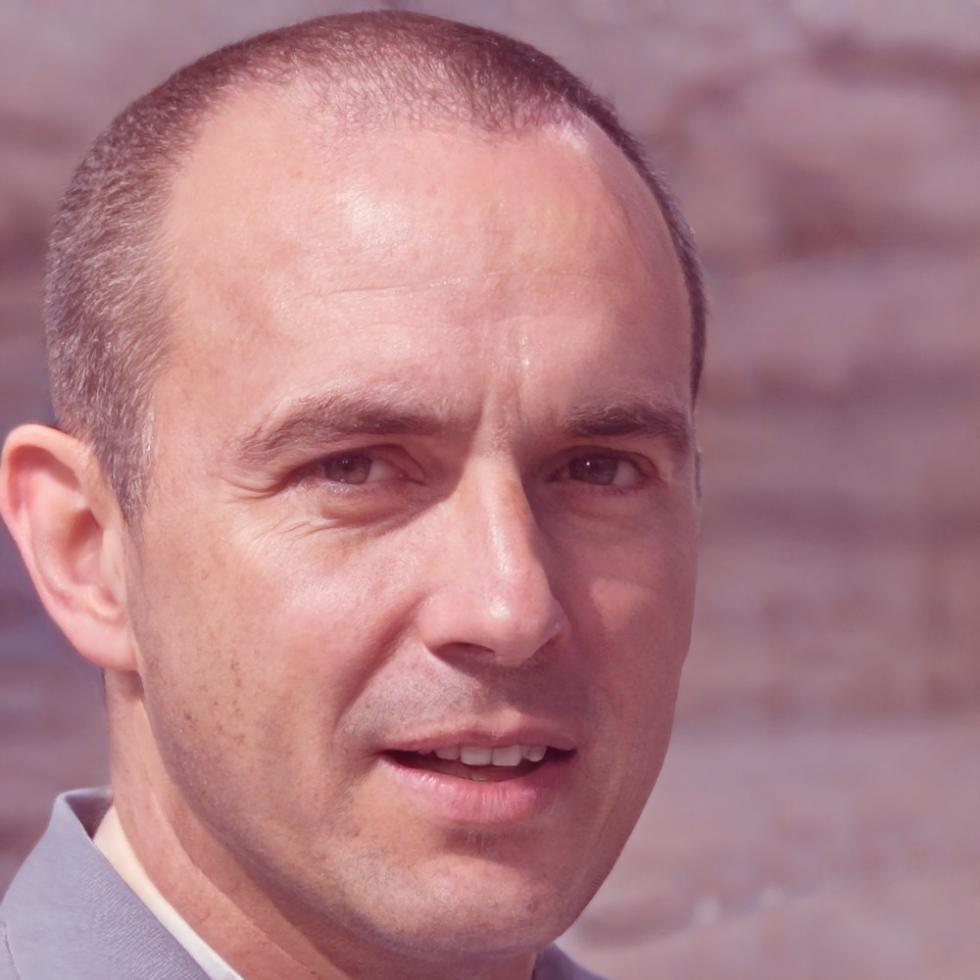
Valdis Järvinen
Founder and Lead Instructor
Before starting Eson Kardul, I spent eight years working with independent artists on arrangement and production. The same problems kept appearing: great musical ideas with unclear organization, verses that dragged, choruses that didn't hit properly, bridges placed awkwardly. These weren't creativity issues—they were structural problems with structural solutions.
I began documenting patterns from successful songs, comparing timing and placement choices, identifying what actually makes structures effective. That research became the curriculum foundation. Now I teach live sessions three times weekly, walking through specific examples and answering structural questions in real time.
The platform serves over 2,000 active learners from 47 countries. Sessions remain deliberately focused: we discuss structure, organization, timing, and flow. Everything else—melody writing, lyric craft, production techniques—stays outside our scope because specialized focus produces better results than broad coverage.
What guides our teaching method
These principles shape how we design sessions, select examples, and interact with participants during live broadcasts.
Honesty about results
Understanding structure won't make you a successful songwriter by itself. It removes one significant obstacle—organizational confusion—but writing compelling songs still requires practice, musical judgment, and persistence. We teach structural competence, not guaranteed outcomes.
Specific over abstract
Sessions avoid vague advice. Instead of "make your chorus memorable," we examine specific chorus structures that work, discussing exact timing, placement, and transition techniques. Students leave with concrete tools rather than motivational concepts.
Accessibility matters
Broadcasts include live transcription and visual diagrams for all verbal explanations. Session recordings remain available indefinitely with searchable timestamps. Materials work across time zones and internet speeds. Learning structure shouldn't require expensive equipment or perfect connectivity.